When Inflammation Leaves Its Mark: Understanding and Treating Pigmentation
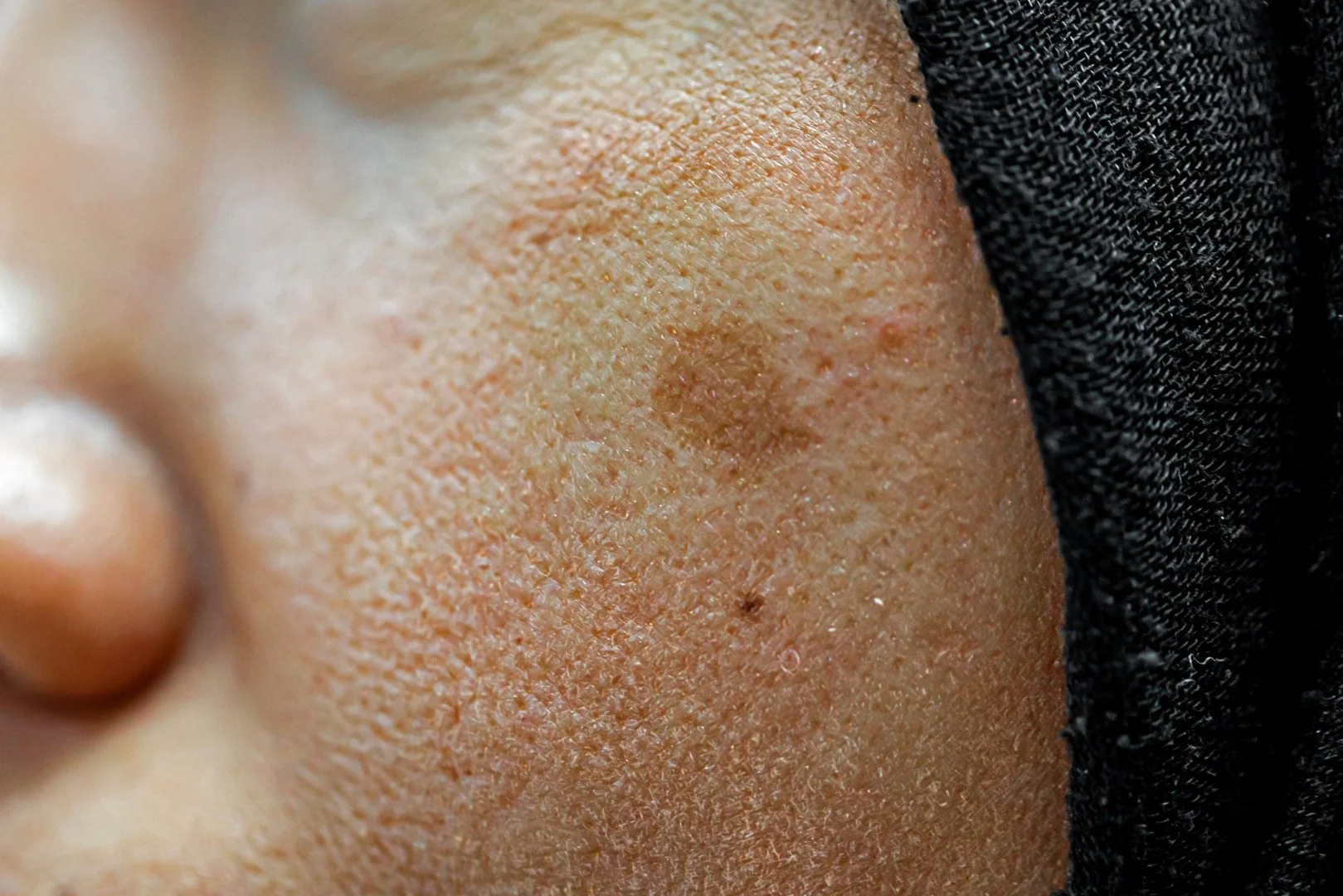
Healthy, radiant skin reflects balance and vitality, yet irritation or injury can sometimes leave lingering discoloration. This condition, known as Post-Inflammatory Hyperpigmentation (PIH), occurs when inflammation stimulates melanocytes—the skin’s pigment-producing cells—to release excess melanin, creating areas of uneven tone that may appear tan, brown, gray, or violet depending on their depth within the skin.
Inflammation-induced pigmentation may develop from acne, overly aggressive exfoliation, environmental stressors, cosmetic procedures, or inflammatory skin conditions. While the initial irritation may resolve quickly, the pigmentation it leaves behind can persist. Fortunately, with thoughtful care and targeted treatments, the skin can gradually return to clarity.
Calming the Source of Inflammation
Prevention begins with calming inflammation and protecting the skin barrier. Gentle cleansing, barrier-supportive moisturizers, and daily broad-spectrum sunscreen form the foundation of healthy skin. When the barrier is supported and irritation minimized, melanocyte overactivity becomes far less likely.
Professional treatments designed to soothe rather than provoke the skin can also be beneficial. Enzyme exfoliation, nourishing facials, and barrier-restoring therapies encourage renewal while maintaining the skin’s delicate balance.
Intelligent Brightening and Repair
Once pigmentation has formed, targeted ingredients can gradually restore luminosity. Research in Dermatology highlights several actives known to help regulate melanin production while brightening the complexion.
Ingredients such as niacinamide, azelaic acid, tranexamic acid, and stabilized vitamin C help interrupt the pigment pathway. Botanical extracts, including licorice root, may also assist in reducing discoloration while calming the skin.
Supporting healthy cellular turnover is equally important. Mild exfoliating acids, when used thoughtfully, help lift pigmentation gradually as the skin renews itself. The key is moderation, as excessive exfoliation can perpetuate inflammation and worsen discoloration.
The Essential Role of Sun Protection
Sun exposure is one of the most powerful triggers for persistent pigmentation. Even minimal ultraviolet exposure can deepen existing discoloration and slow the skin’s recovery. Consistent application of a high-quality broad-spectrum mineral sunscreen is therefore essential, helping protect the skin while corrective treatments work effectively.
A Patient, Restorative Journey
Inflammation-induced pigmentation rarely fades overnight. Skin renewal occurs gradually, and improvement typically unfolds over several weeks or months. With consistent care, however, the complexion can return to a more even, luminous state.
When inflammation is calmed and the pigment pathway gently guided back to balance, the skin reveals its natural brilliance once again—clearer, calmer, and beautifully radiance.
This April, please visit our treatment room in Pleasant Hill, CA, to experience our LIMITED TIME! Organic Targeted Hyperpigmentation Facial (75 Min.) designed to target uneven tone and inflammation-induced discoloration. Infuses organic brightening enzymes, antioxidants, kojic acid, and barrier-supportive nutrients that help gently regulate melanin activity and restore clarity. A green LED light therapy surround mask is used to regulate melanin production, softens the appearance of dark spots, and calms inflammation. A relaxing neck, shoulder, foot, and scalp massage is also included, if desired. This special is offered at $180 (Value: $200). Coupon Code: APRFACE2026-$20. Click HERE:
I warmly welcome your questions and inquiries. Please feel free to reach out to me at suzanne@suniskincare.com or by call or text at (925) 708-5940.