

The Art of Lymphatic Drainage: Relieving Facial Puffiness, Congestion & Dull Skin
There is a quiet refinement in skin that appears naturally luminous, and exquisitely clear—an elegance not achieved through force, but through harmony. Facial lymphatic drainage embodies this philosophy, working in tandem with the skin’s innate intelligence to restore balance, vitality, and grace.
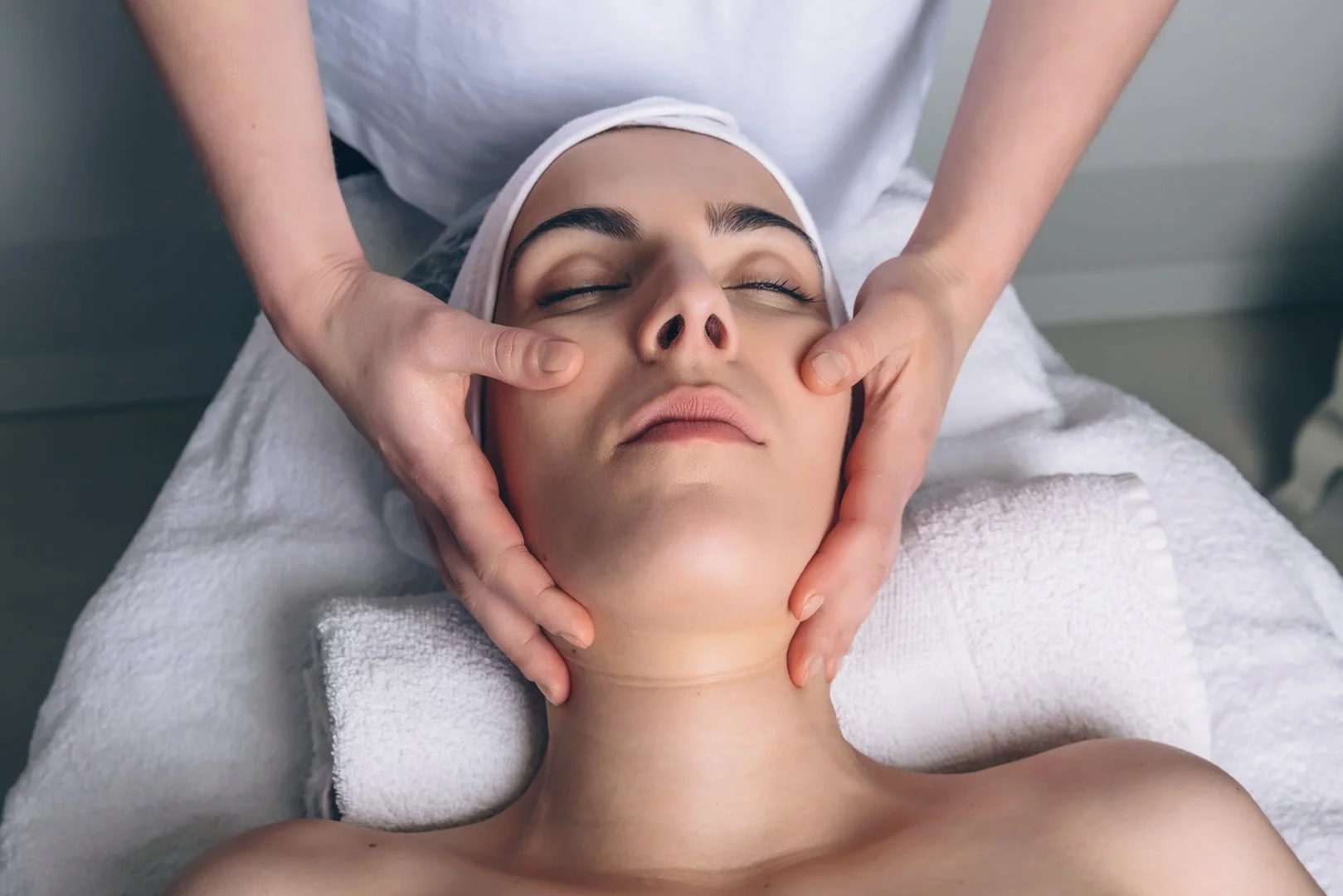
Graceful Recovery: Lymphatic Drainage for Post-Illness and Post-Treatment Swelling
There is a distinct vulnerability to the skin in the days and weeks following illness or facial aesthetic treatment—a softness in its structure, a quiet swelling, a sense that the complexion has yet to fully return to itself. During these moments, the face often reflects what the body is still processing: residual inflammation, fluid retention, and a temporary stagnation within the lymphatic system. It is here that facial lymphatic drainage massage offers a remarkably gentle, yet profoundly effective, path back to balance.
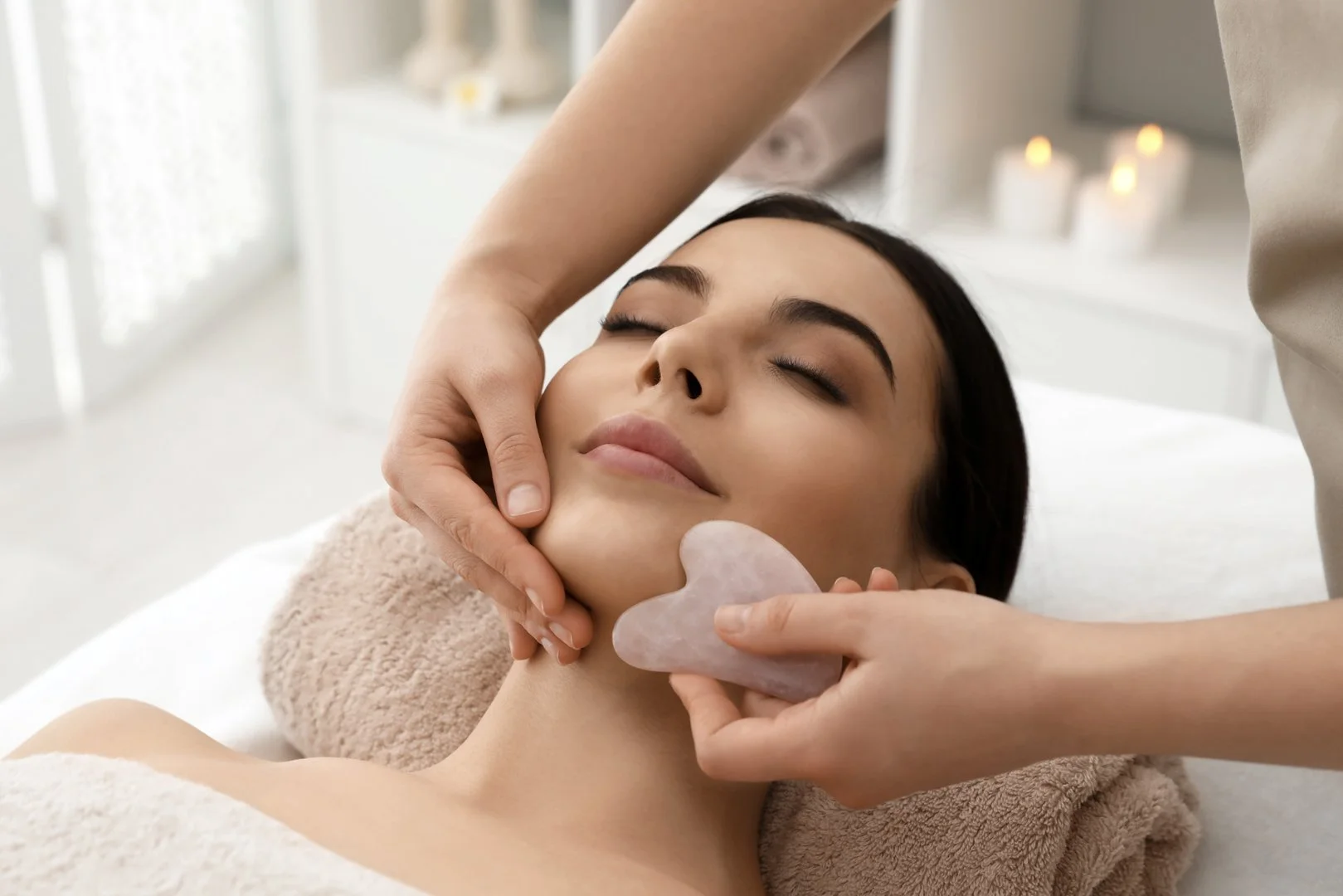
The Quiet Luxury of Gua Sha: Facial Sculpting and Detoxification
There is an unmistakable elegance in skin that appears softly sculpted, naturally radiant, and deeply at ease—an effect that feels less like alteration and more like refinement. Gua Sha, a time-honored ritual rooted in traditional techniques, offers precisely this: a graceful, intentional approach to enhancing the face through touch, movement, and flow.
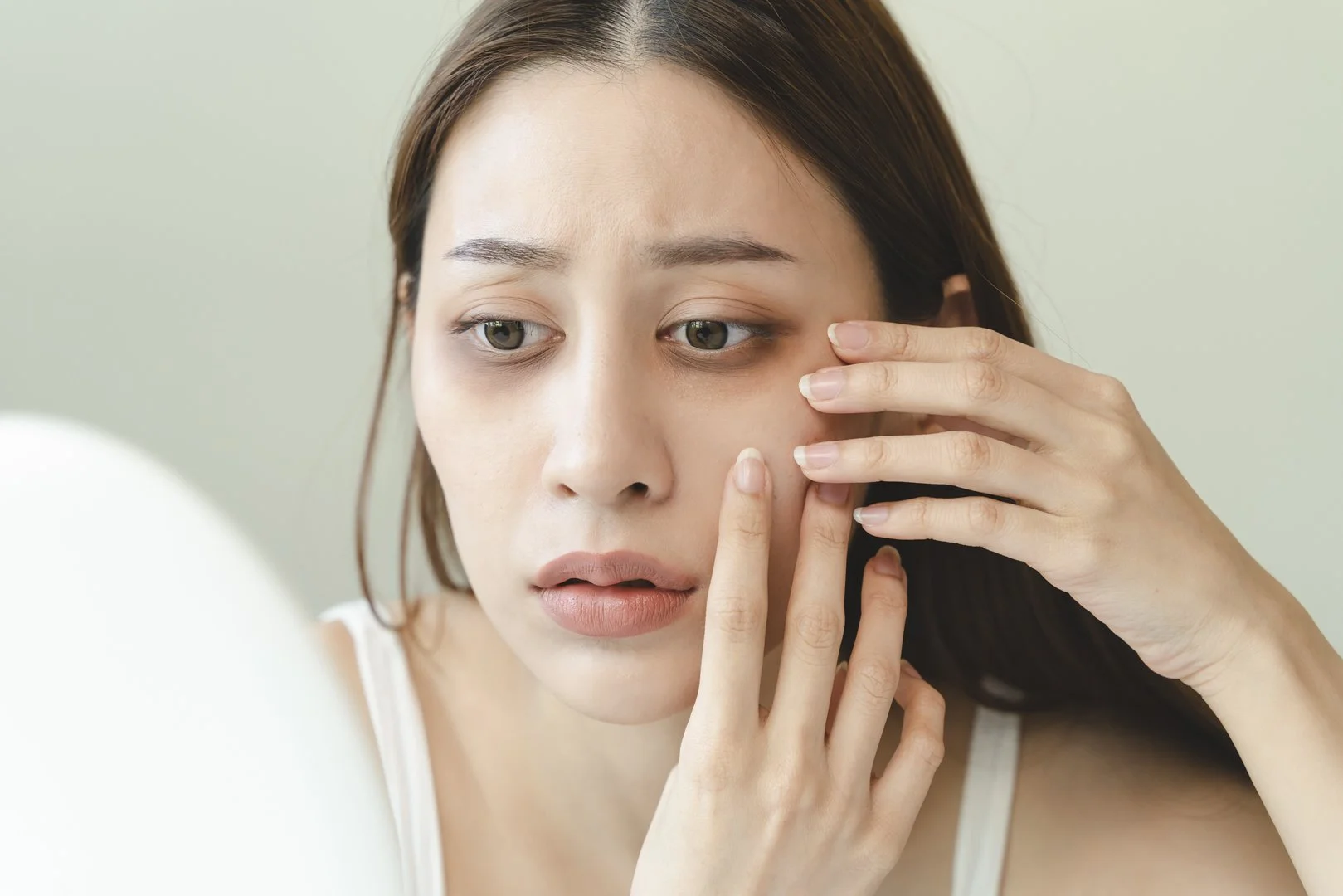
Gua Sha and Lymphatic Drainage: Eliminating Congestion, Breakouts & Dark Circles
There is a subtle language the skin speaks when it is out of balance—one of congestion, shadowing, and quiet fatigue. Breakouts that linger beneath the surface and dark circles that dim the eyes are often not merely surface concerns, but reflections of stagnation within. When the lymphatic system slows, the skin’s natural ability to clear, refine, and illuminate itself becomes compromised. It is here that facial lymphatic drainage, elevated through the art of Gua Sha, offers a beautifully restorative solution.
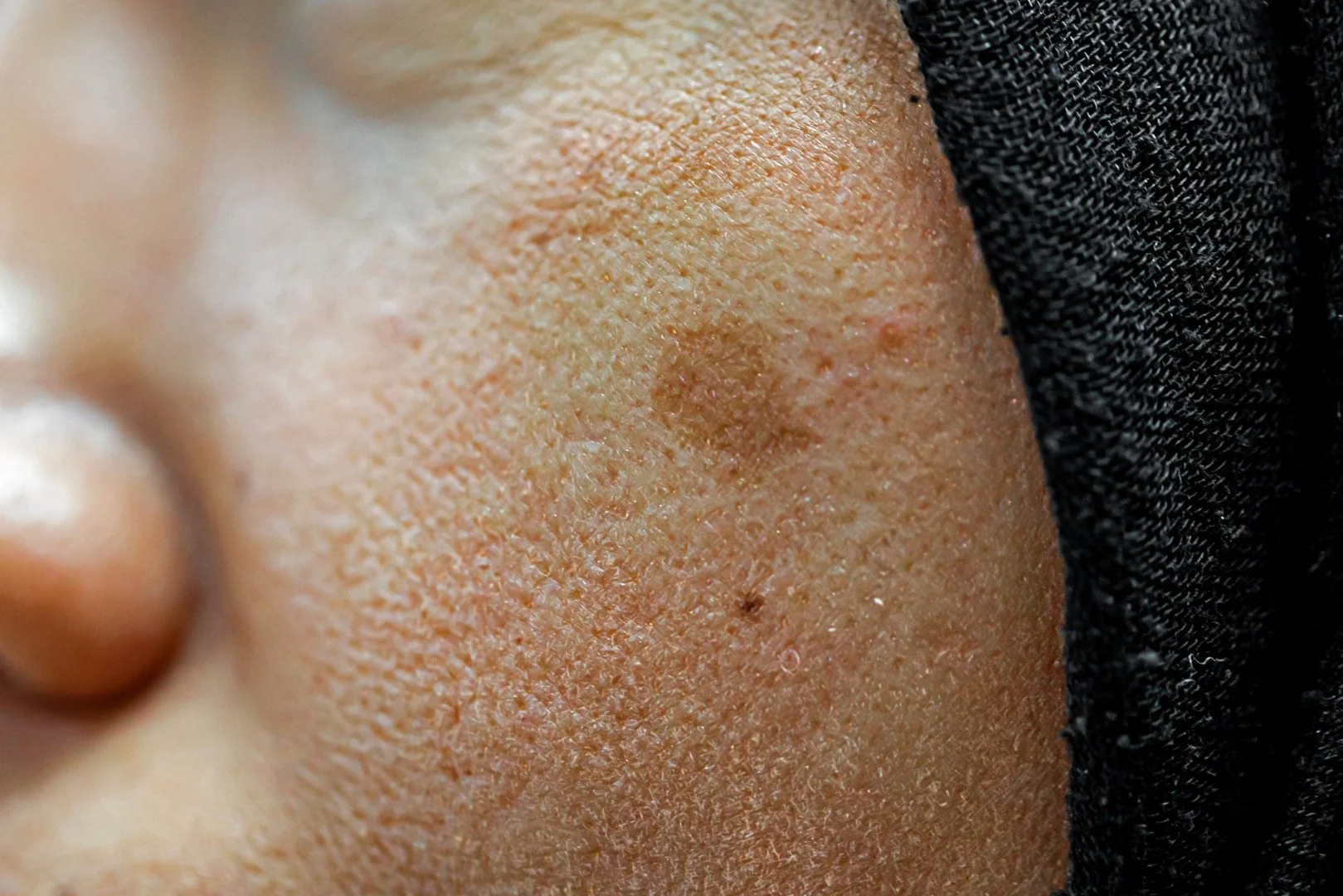
When Inflammation Leaves Its Mark: Understanding and Treating Pigmentation
Healthy, radiant skin reflects balance and vitality, yet irritation or injury can sometimes leave lingering discoloration. This condition, known as Post-Inflammatory Hyperpigmentation (PIH), occurs when inflammation stimulates melanocytes—the skin’s pigment-producing cells—to release excess melanin, creating areas of uneven tone that may appear tan, brown, gray, or violet depending on their depth within the skin.
Inflammation-induced pigmentation may develop from acne, overly aggressive exfoliation, environmental stressors, cosmetic procedures, or inflammatory skin conditions. While the initial irritation may resolve quickly, the pigmentation it leaves behind can persist. Fortunately, with thoughtful care and targeted treatments, the skin can gradually return to clarity.
Calming the Source of Inflammation
Prevention begins with calming inflammation and protecting the skin barrier. Gentle cleansing, barrier-supportive moisturizers, and daily broad-spectrum sunscreen form the foundation of healthy skin. When the barrier is supported and irritation minimized, melanocyte overactivity becomes far less likely.

Melasma vs. Sun Damage: Understanding Two Common Forms of Pigmentation
An even, luminous complexion is often seen as a reflection of healthy skin. Yet discoloration can develop over time, most commonly in the form of Melasma or sun-induced pigmentation such as Solar Lentigo. While these conditions may appear similar, their causes and treatment approaches are quite different. Understanding this distinction allows for a more thoughtful path toward restoring clarity and balance to the skin.
The Nature of Melasma
Melasma is a hormonally influenced pigmentation disorder that typically appears as soft, symmetrical patches of brown or gray-brown discoloration on the cheeks, forehead, upper lip, and jawline. Hormonal fluctuations—such as pregnancy, oral contraceptives, or hormone therapy—can trigger overactive pigment production, while sun exposure intensifies the condition.
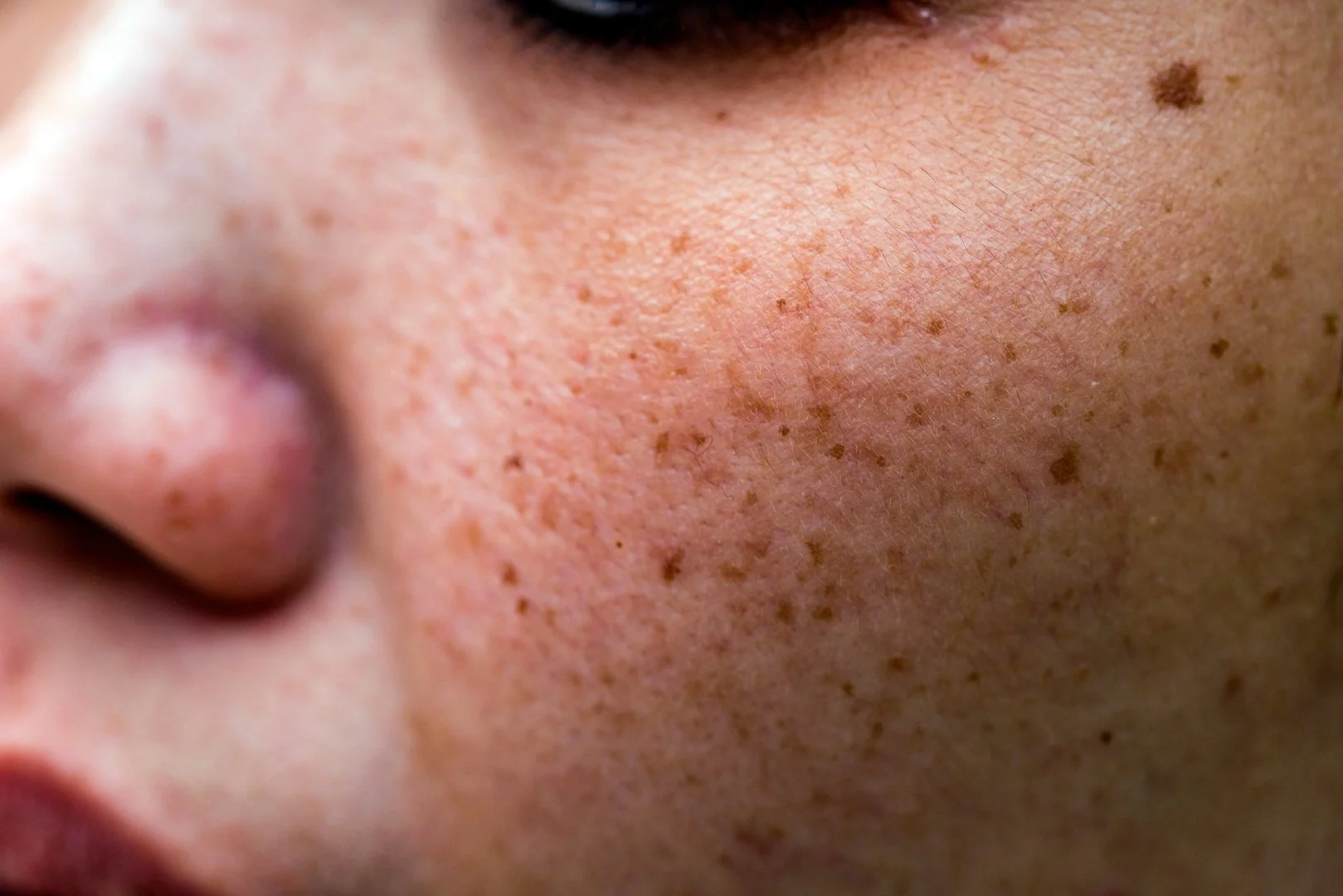
Why Spring Is the Ideal Season for Hyperpigmentation Correction
As the seasons shift, spring offers a perfect opportunity to restore clarity and balance to the complexion. Hyperpigmentation—a broad term in Dermatology describing areas of excess pigment—can include conditions such as Melasma, Post-Inflammatory Hyperpigmentation, and sun spots known as Solar Lentigo. The milder conditions of spring make it an ideal time to begin correction.
A Gentler Sun Environment
Spring sunlight is typically less intense than summer UV exposure, allowing brightening treatments and corrective ingredients to work more effectively. With proper sun protection, the skin can begin to heal and rebalance without constant pigment stimulation.
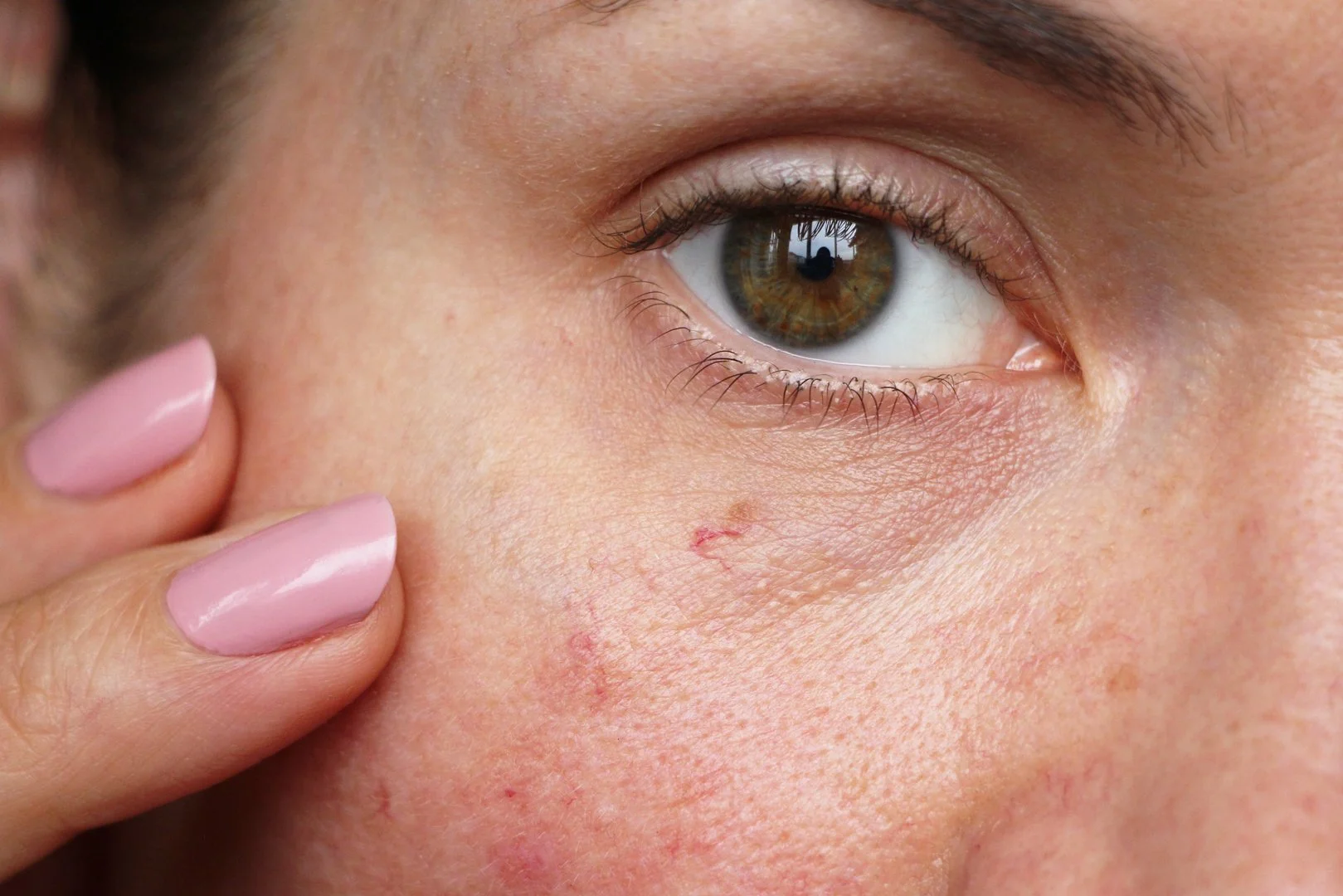
The Hidden Impact of Heat: Preserving Skin Radiance and Even Tone
While sunlight is often highlighted as a key factor in pigmentation, heat—from exercise, hot showers, and saunas—can also subtly influence the skin. In Dermatology, heat is recognized as a trigger for hyperpigmentation, particularly in those prone to Melasma or Post-Inflammatory Hyperpigmentation. Awareness of these effects allows for more informed, elegant skin care.
The Science of Heat-Induced Pigmentation
Heat elevates blood flow and can stimulate melanocytes, subtly darkening existing discoloration or intensifying melasma. While not directly damaging like UV, repeated heat exposure can contribute to uneven tone over time.

Skincare During Oncology Treatment & for Medically-Reactive Skin: Ingredients to Avoid and those to Embrace
When skin is undergoing oncology treatment or living in a medically-reactive or health-challenged state, skincare must be approached with uncommon refinement. This is not the moment for aggressive correction or experimental trends. It is a season for gentleness, clinical mindfulness, and restorative elegance. Every ingredient and product should serve comfort, barrier integrity, and calm. Below is a curated, professional guide to what should be set aside — and what truly deserves a place — in a skincare ritual for vulnerable skin.
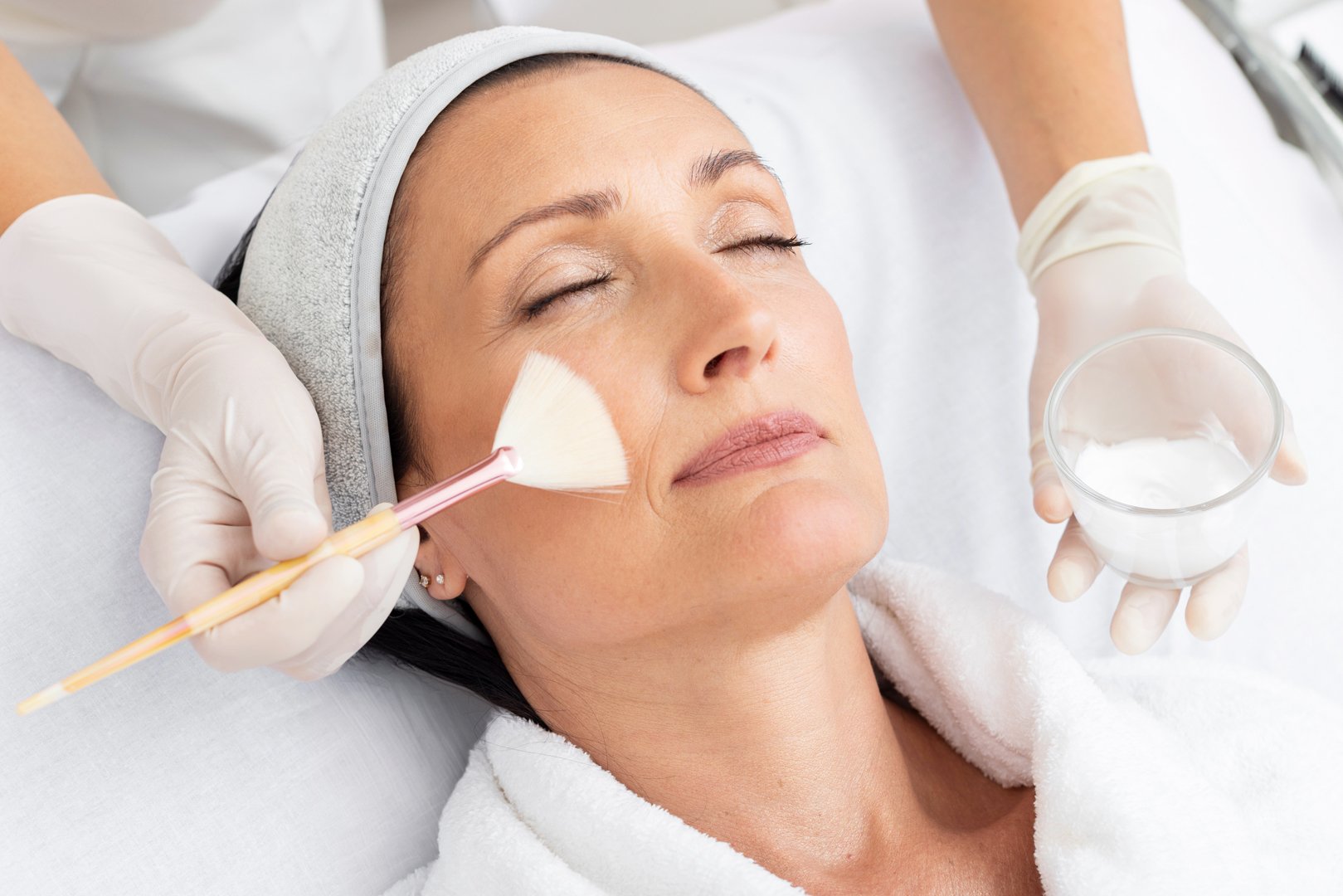
A Haven for Sensitive Skin: The Art of Oncology-Safe Facials
Facials, when thoughtfully tailored, can become far more than a skincare service — they can serve as a restorative ritual of comfort, dignity, and renewal for those undergoing oncology treatment, living with medically-reactive skin, or navigating health-challenged conditions. In times when the body feels unfamiliar and the skin becomes fragile, intentional touch and expert care offer both visible and deeply emotional support.
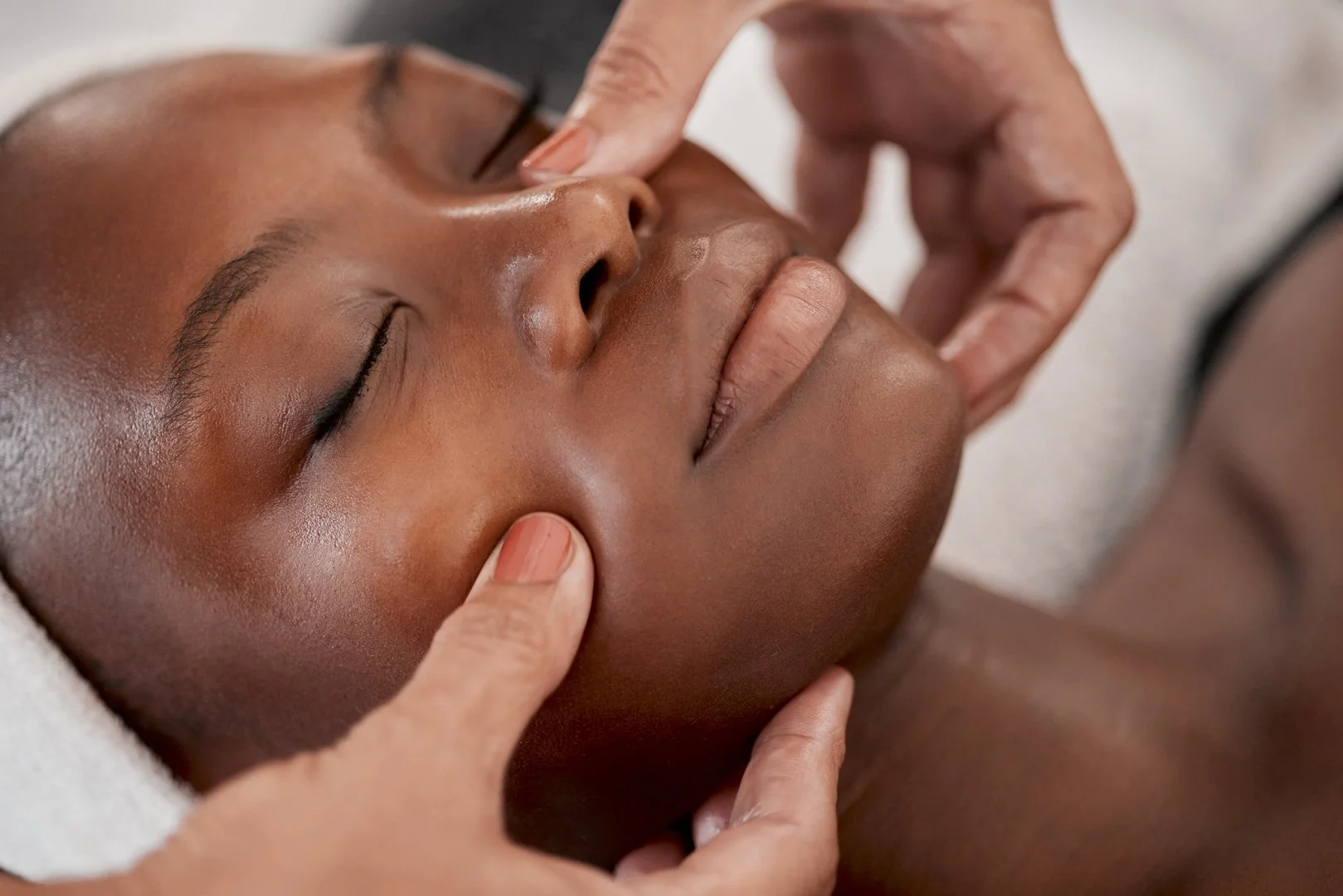
Restorative Touch for Health-Challenged Skin
The emotional landscape of oncology treatment and other medical or health challenges is often complex — marked by courage and uncertainty, resilience and fatigue. During these seasons, safe and compassionate therapeutic touch offers reassurance, grounding, and emotional restoration.

The Distinctive Care of an Oncology-Trained Esthetician: Expertise for Fragile Skin
When skin becomes fragile due to oncology treatment, chronic conditions, or other health challenges, it requires care that transcends standard skincare practices. The knowledge, skill, and sensitivity of an oncology-trained esthetician are essential for supporting skin that is delicate, reactive, or compromised.
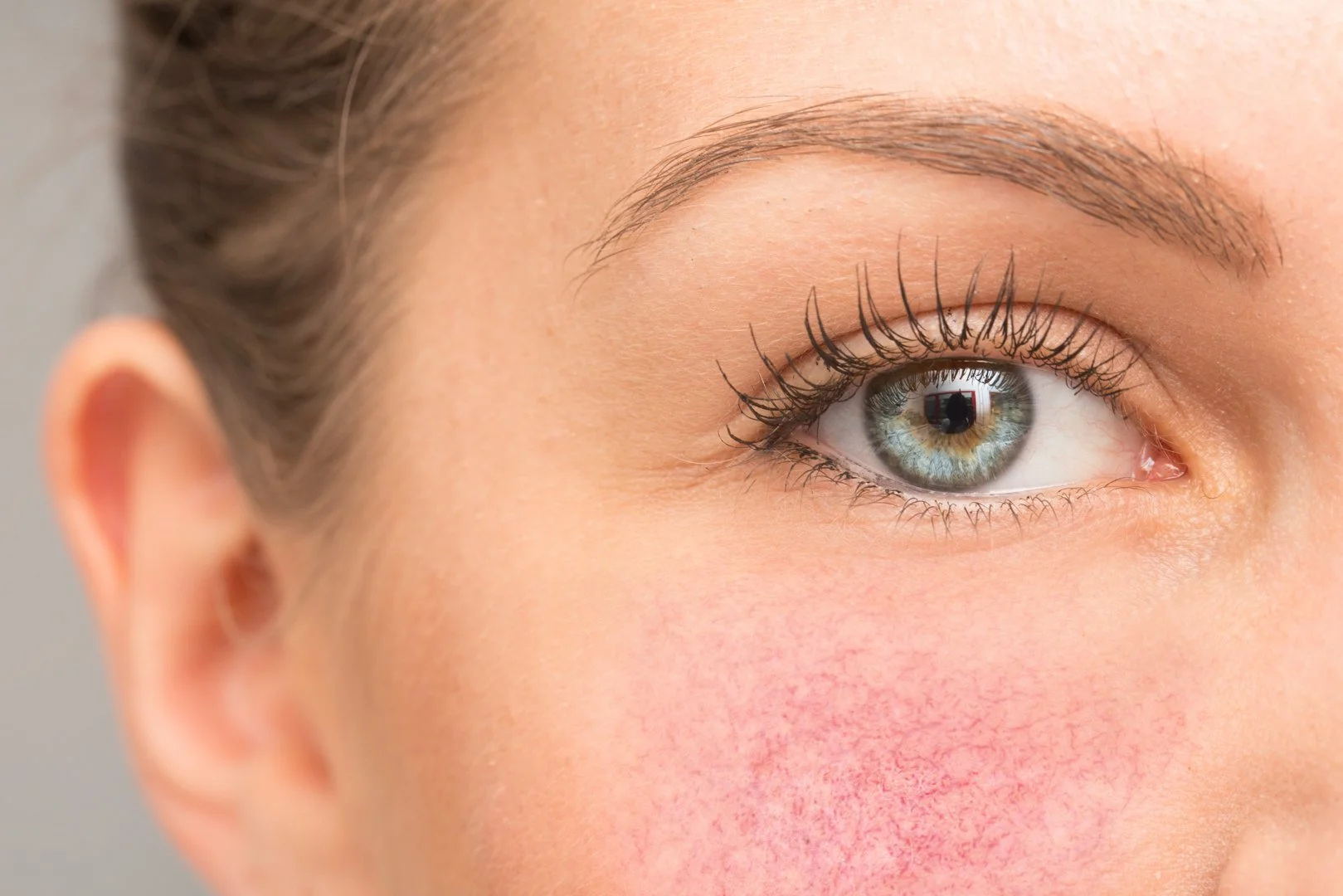
When Skin Is Fragile: The Art of Caring for Rosacea, Eczema & Post-Procedure Sensitivity
Skin that flushes easily, reacts unexpectedly, or struggles to recover after professional treatments is not simply “sensitive” — it is often compromised. Rosacea, eczema, and post-procedure sensitivity share a common foundation: a weakened skin barrier and heightened inflammatory response.
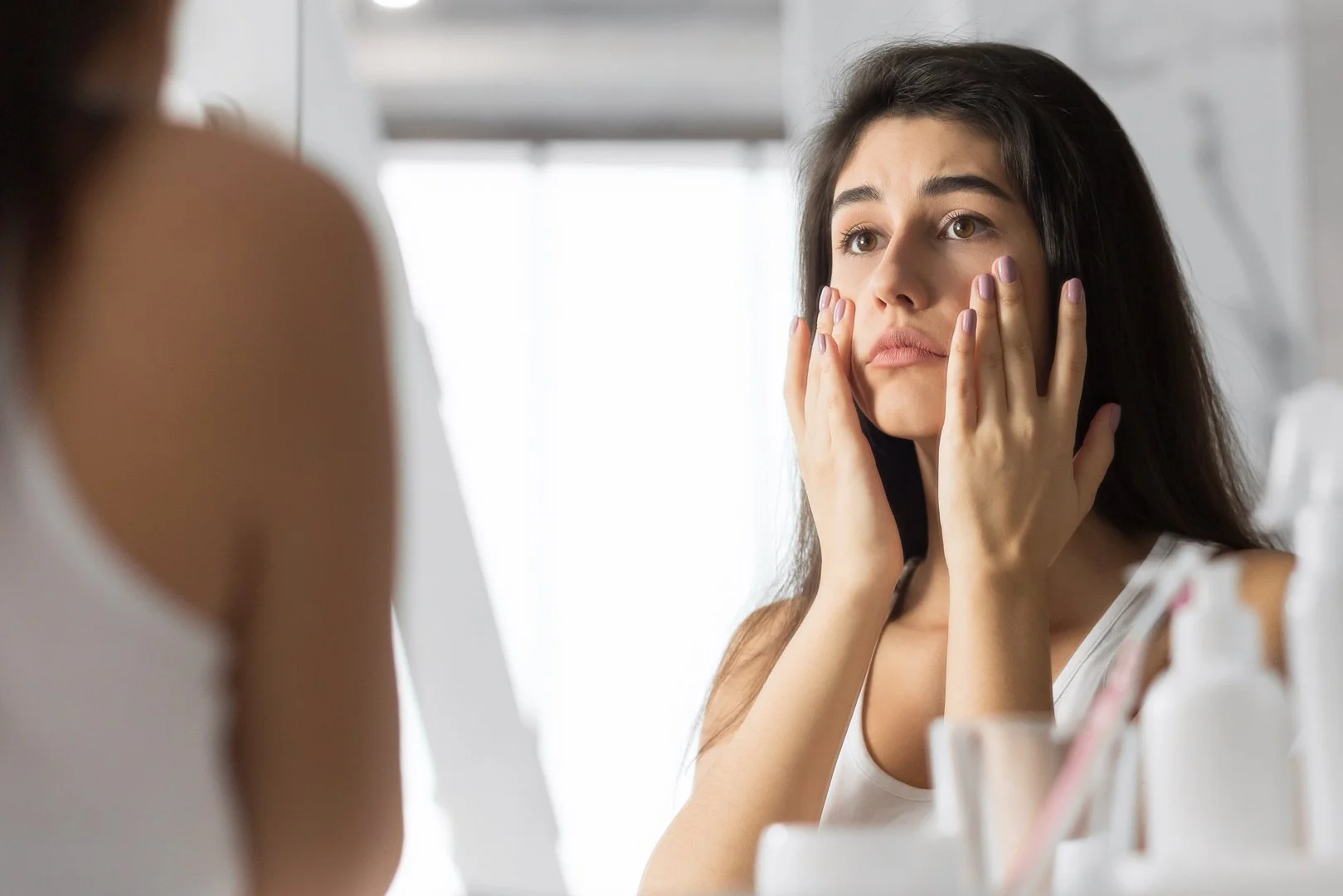
When the Mind Touches the Skin: Stress, Cortisol, and Inflammatory Flares
The skin is not only our largest organ — it is an exquisitely sensitive mirror of our internal world. Few influences reveal this connection more clearly than stress.
When the body perceives stress, it releases cortisol, the primary stress hormone. In short bursts, cortisol is protective. But when stress becomes chronic, elevated cortisol quietly disrupts the skin’s delicate balance, weakening the barrier, increasing inflammation, and slowing cellular repair.
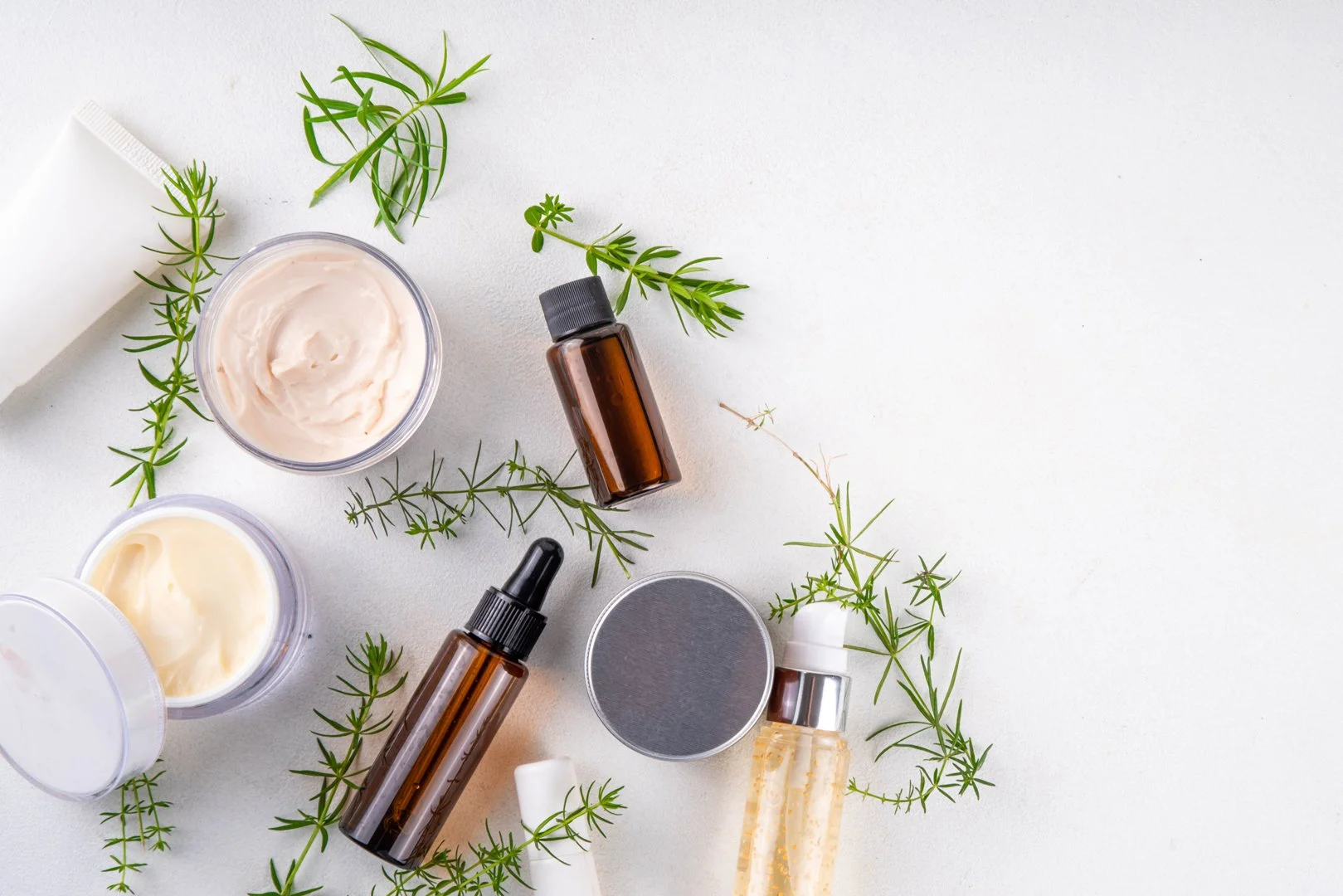
The Gentle Revolution: How Organic Anti-Inflammatories Elevate Skincare
In the pursuit of visible results, modern skincare has often favored intensity — stronger acids, higher percentages, faster exfoliation. Yet for truly healthy, resilient skin, healing is rarely achieved through force.
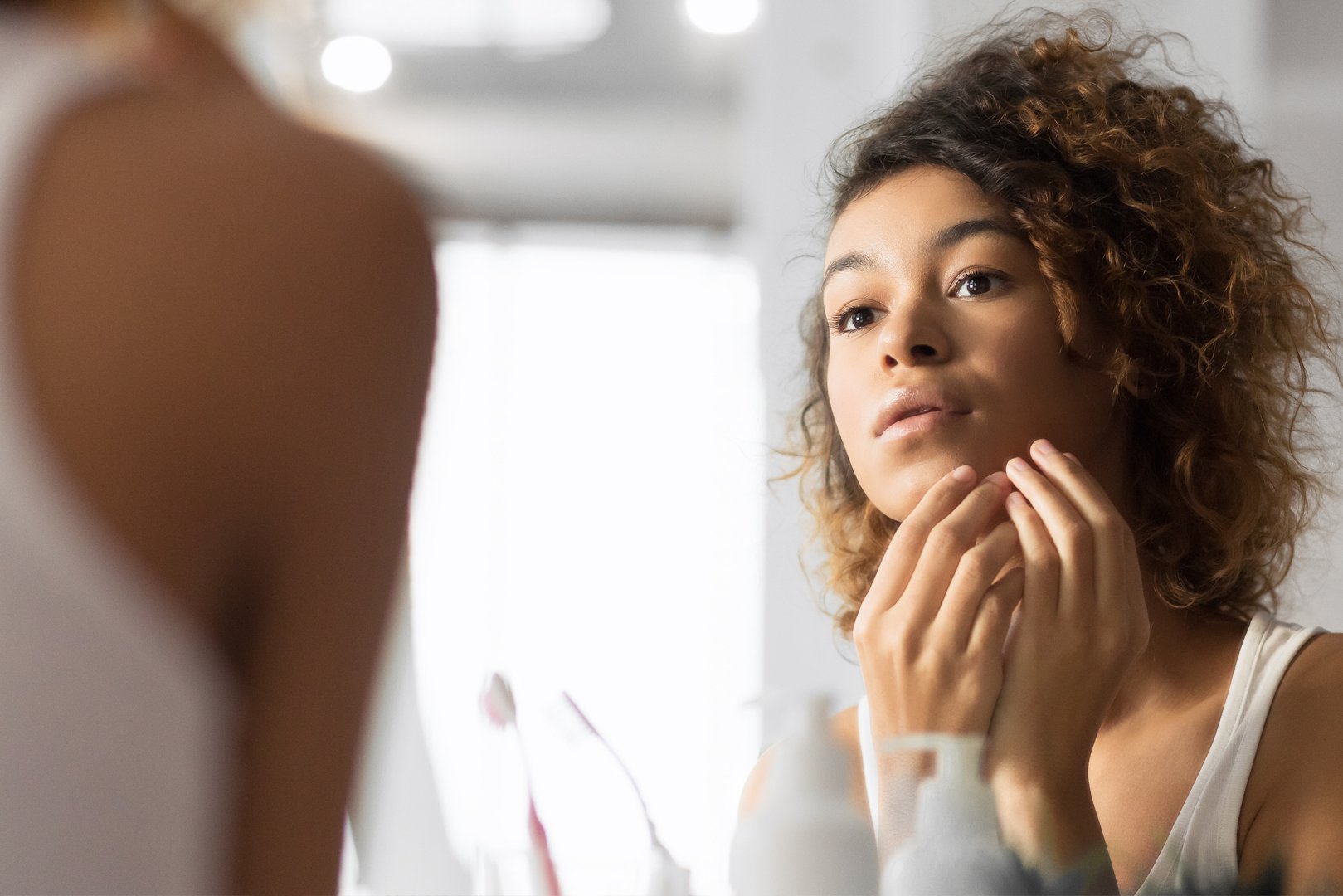
Where Wellness Begins: Food Sensitivities, Gut Inflammation, and the Skin’s Response
True beauty is nurtured from the inside out. The skin, our most visible organ, is intimately connected to the health of the gut. When food sensitivities or intolerances provoke inflammation internally, the skin often becomes the messenger, revealing imbalance through redness, breakouts, dryness, or heightened reactivity.
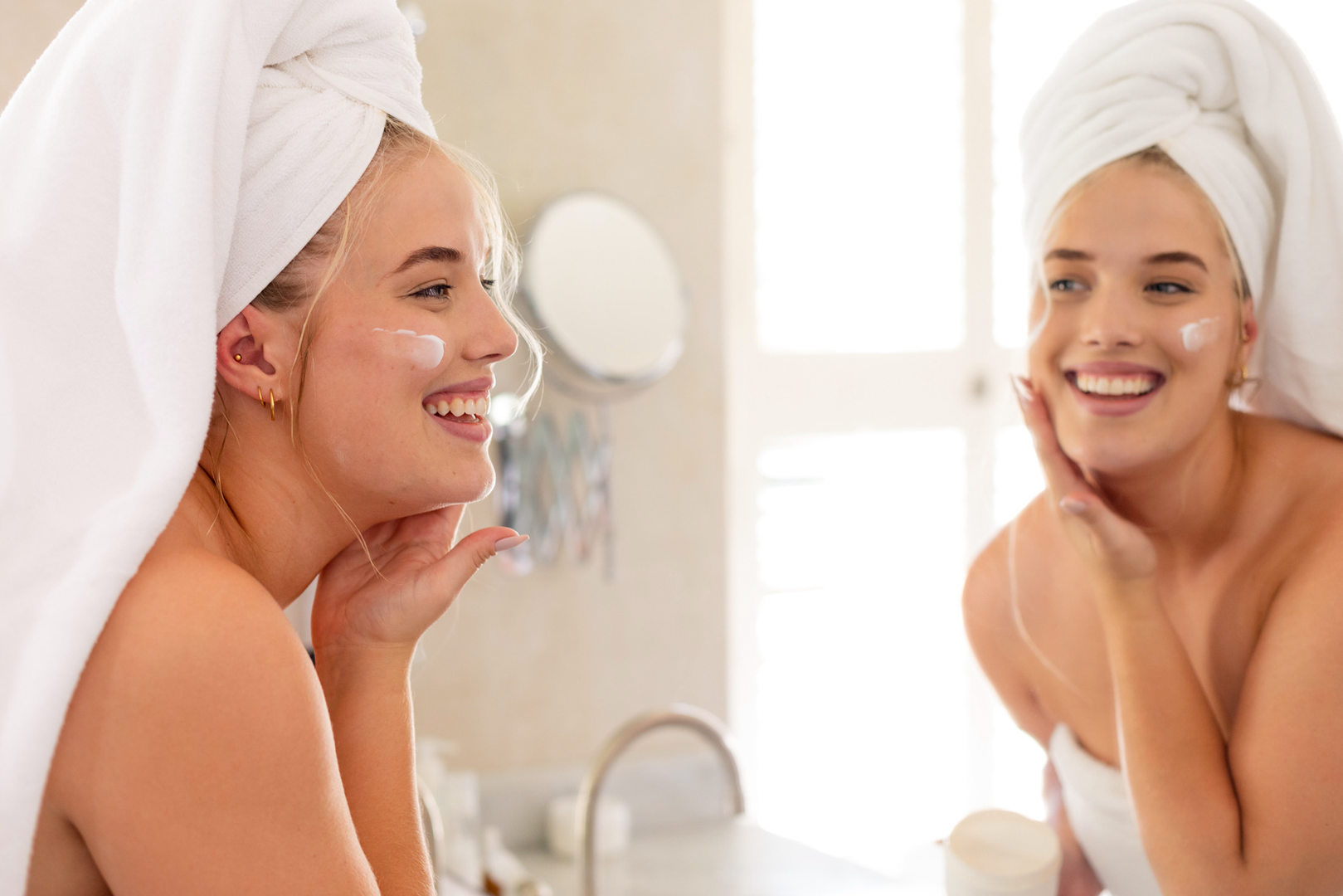
Welcoming 2026! A Refined Approach to Simple Skincare
A timeless, professional ritual curated by an esthetician
In my practice located in Pleasant Hill, CA (San Francisco East Bay Area), I often remind clients that beautiful skin is not created through excess—it is cultivated through intention, consistency, and respect for the skin’s natural rhythms. An effective skincare routine should feel refined rather than complicated.
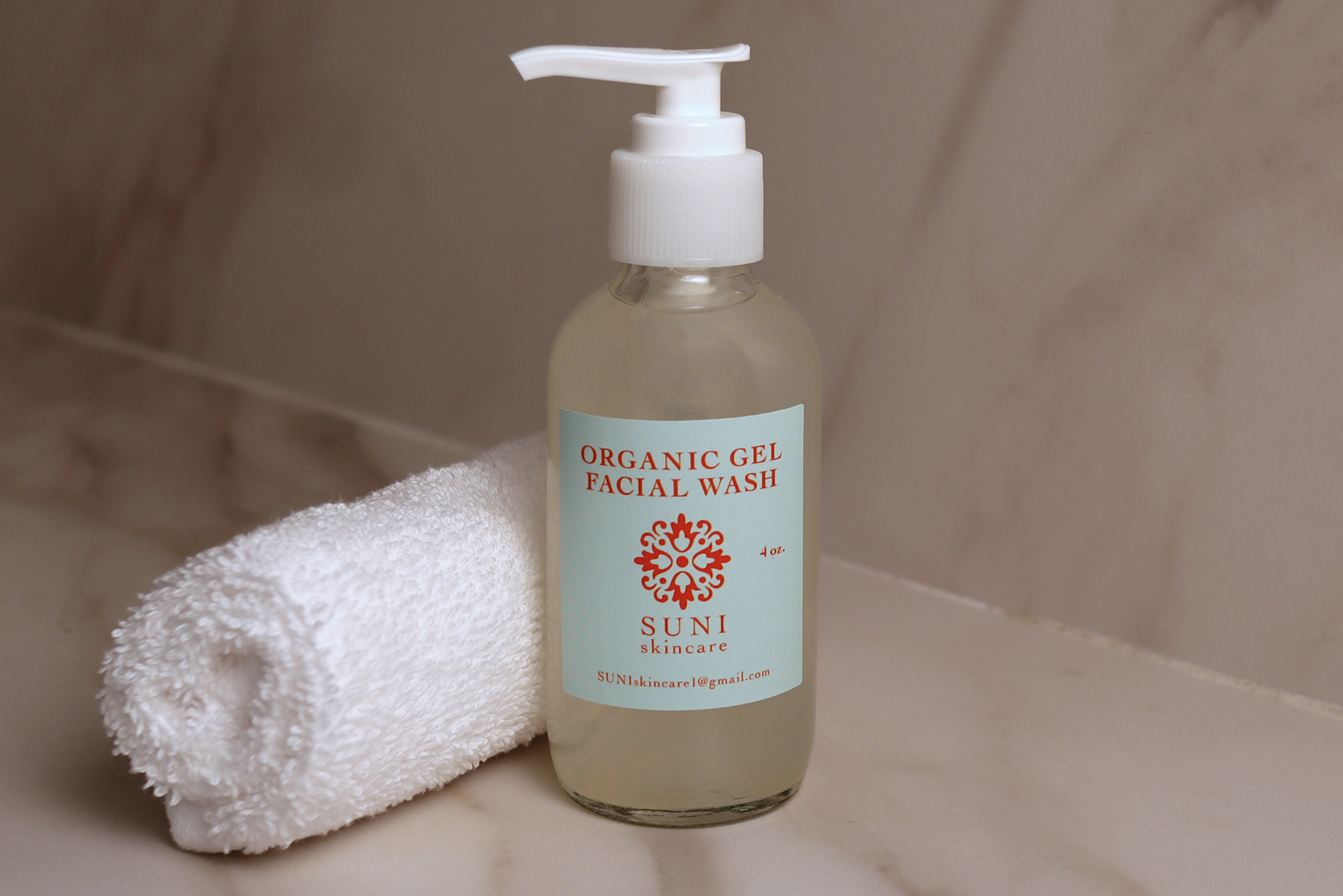
My Philosophy Behind SUNI Skincare Organic Products
Thoughtfully written by Suzanne Nicholson, Founder of SUNI Skincare, Esthetician,
Oncology-trained
My skincare line was created from a place of intention—born not out of trend, but out of experience, discernment, and a deep respect for the skin’s innate intelligence. After years of working closely with various skin types and stages, including those with health-challenged and medically-reactive skin, I came to a simple yet powerful truth: when thoughtfully supported, the skin knows how to heal, protect, and renew itself.
A Curated Guide to Skincare Ingredients: What to Avoid and What to Embrace
In the pursuit of healthy, luminous skin, ingredients matter just as much as routine. As an esthetician located in Pleasant Hill, CA, I often remind clients that skincare should support the skin’s natural intelligence—not challenge it. True refinement lies in choosing formulations that respect the skin barrier, encourage longevity, and deliver results without unnecessary disruption. Understanding which ingredients to avoid—and which to seek out—allows skincare to become not only more effective, but more elegant.

Understanding Traditional, Organic, and Clean Skincare: Why the Distinction Matters
In today’s beauty landscape, terms such as traditional, organic, and clean are used generously—sometimes interchangeably—yet they represent very different philosophies of formulation and skin health. Understanding these distinctions allows us to make more informed, intentional choices not only for how our skin looks today, but for how it ages, functions, and responds over time.